About Us
What is a Soil and Water Conservation District?
A Soil and Water Conservation District (SWCD) is a subdivision of the state government that helps to identify and address natural resource needs in a county. SWCDs are responsible for providing information about conservation of soil, water, and related natural resources.
They also help to:
Prioritize local soil and water resource concerns
Connect land users to sources of educational, technical, and financial assistance
Facilitate programs for clean water
Implement conservation practices and technologies
Work with landowners to promote healthy soils
Connect landowners with programs to conserve and restore wetlands
Support developers as they control soil erosion
Provide contacts who manage forests
Work with other agencies to protect groundwater resources
Teach the value of natural resources

A History of Soil and Water Conservation Districts in Indiana

1940
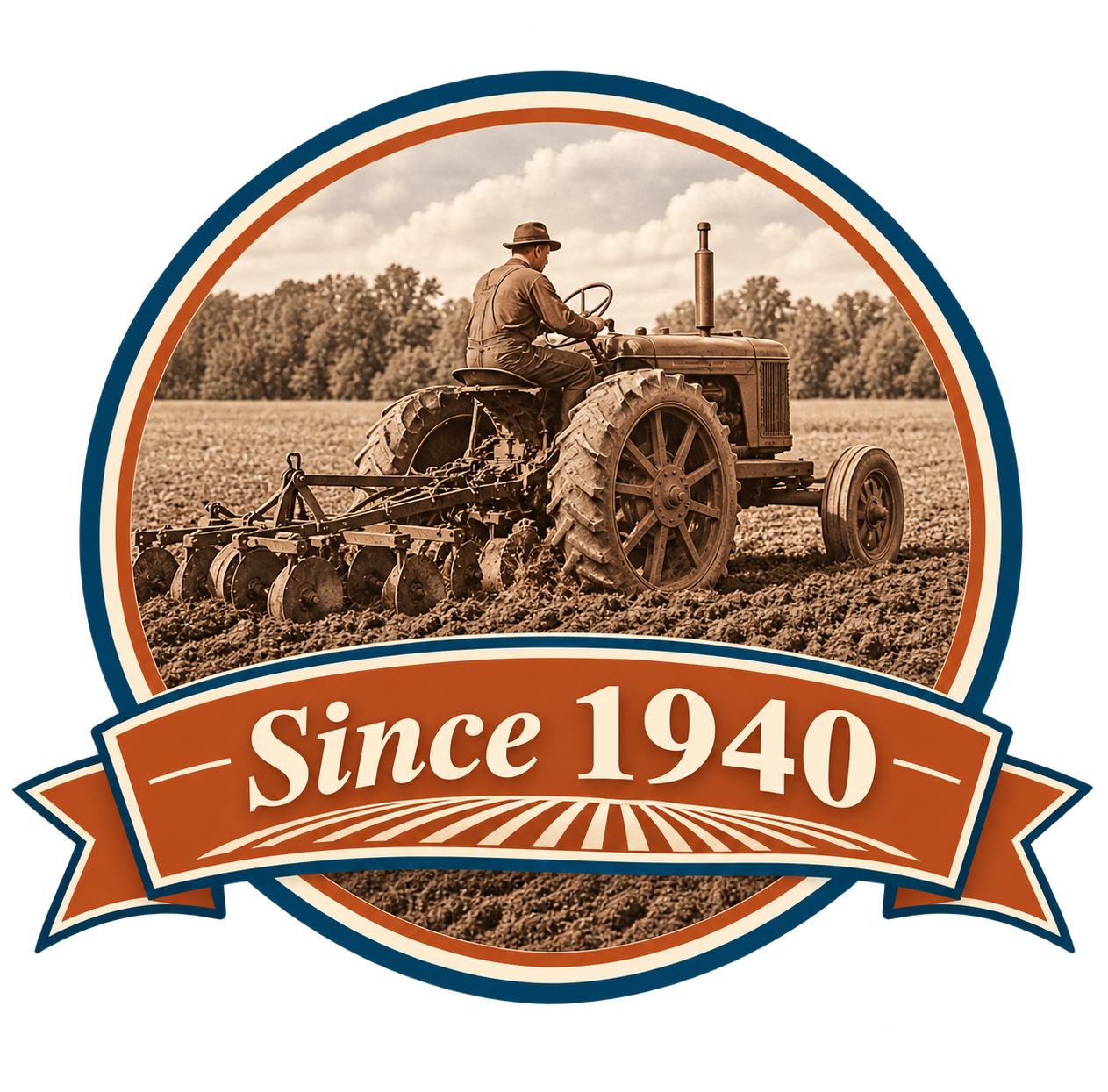
Vanderburgh SWCD, the first Soil and Water Conservation District in Indiana was established in 1940 shortly after Indiana’s first Law for Conservation Districts was enacted (IC 13-3-1). This law authorized the creation of Soil and Water Conservation Districts by a petition process which was developed from model legislation provided by President Franklin Roosevelt’s administration in 1937.
This model was sent to the states because the federal government recognized the need for local leadership, personal trust, and direct involvement in delivering federal soil conservation and erosion control programs.
1947
The first version of the Indiana Conservation District Law included the establishment of the State Soil and Water Conservation Committee (in 1986 the name was changed to State Soil Conservation Board). In 1947, funding was provided to Purdue University to hire a full time Executive Secretary to help the committee administer the rapidly growing number of petitions from landowners to establish soil and water conservation districts in their respective counties around the state.
1950’s-1960’s
In the early years of the conservation district movement in Indiana (1945-1972) the primary focus of districts was to convince landowners to become district cooperators.
The majority of Indiana’s 92 districts were established under the Indiana District Law between 1945 and 1960. In 1974, the last district (Tipton) was established, yielding an SWCD in all 92 Indiana counties.
The intention was so that the Soil Conservation Service [(SCS), now called Natural Resources Conservation Service (NRCS)], would work with the landowner to develop conservation plans for reducing erosion and improving their land’s productive capacity. The typical conservation plans included decisions made by the respective landowner on crop rotations, structural erosion control practices, drainage improvements and liming.
1970’s-1980’s
In the late 70’s and 80’s, the focus shifted more toward ways to reduce runoff, as well as the off-site impacts of sediment, attached nutrients, and pesticides on water quality. In the late 80’s to present, the federally funded Farm Bill conservation programs have been the driving force for conservation implementation by NRCS. During this time, SWCDs carry out more conservation education and non-Farm Bill related conservation application. This change was because Farm Bill conservation programs implementation has consumed all the time and resources of NRCS.
SWCD Future
As we look to the future, both soil and water quality remain key focus areas because of their impact on economic development, tied to improved quality of life for local citizens. Our hope is that Districts function well and can be viewed as the local hub that serves as a clearinghouse to connect land users to sources of educational, technical and financial assistance to assist in solving soil and water quality.