Resources for Small and Urban Farms
Small and Urban Farms Resources
Links and Documents
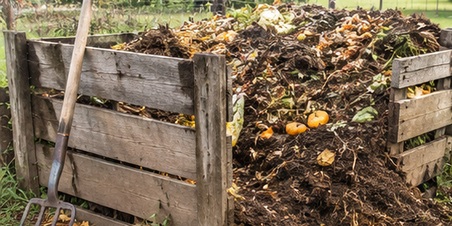
Composting
Composting is the process of breaking down organic materials, such as leaves, grass clippings, and food scraps, into nutrient-rich soil amendments. It improves soil health, adds organic matter, supports beneficial organisms, and helps reduce waste. Use these resources to learn how to build, manage, and use compost successfully.
US Composting Council | Composting at Home | Backyard Composting Basics – Rodale Institute | Correcting Problems Caused by Using too Much Compost and Manure
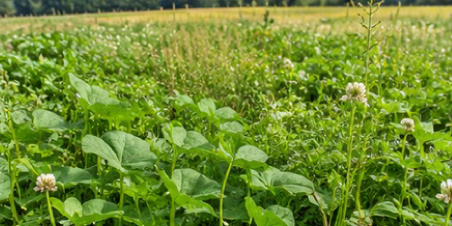
Cover Crops
Cover Crops: Cover crops are any grass, legume, or forb planted to provide vegetative cover. They can reduce erosion, increase biodiversity, improve soil structure, and increase soil organic matter. Use these resources to pick the right cover crop, know when to plant it, and how to terminate it.
Cover Crop Overview – NRCS | Indiana Cover Crop Information Table – NRCS | Indiana Cover Crop Seeding Windows – NRCS | Indiana Cover Crop Seeding Methods – NRCS | Terminating Cover Crops – NRCS
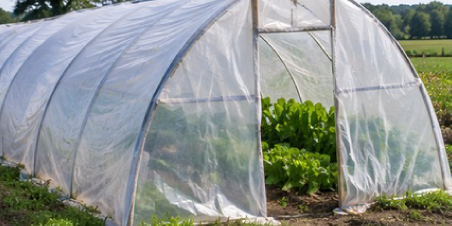
High and Low Tunnels
High and low tunnels are enclosed plastic, polyethylene, fabric, or polycarbonate structures that protect crops from wind, sun, and cold. Low tunnels are also effective at reducing pest pressure.
High Tunnel System – NRCS | Low Tunnel System – NRCS | Indiana High Tunnel Handbook – Purdue Extension | Soil Health in High Tunnel Systems
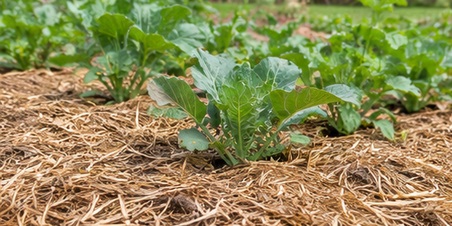
Mulching
Mulch is applied to the soil surface to protect soil and reduce weed pressure. Mulch can be natural or synthetic. Natural mulch includes woodchips, straw, compost, leaves, etc… Natural mulch is a great way to reduce erosion, increase irrigation efficiency, build soil organic matter, and provide habitat for beneficial insects. Use the resources below to learn more about mulching.
Mulching Overview – NRCS | Backyard Mulching Guide – NRCS | Carbon to Nitrogen Ratios – NRCS
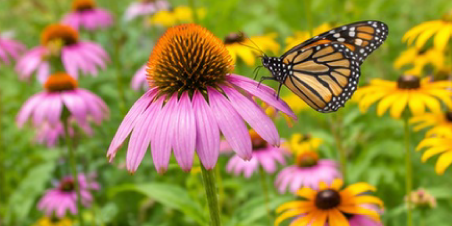
Native Planting for Beneficial Insects and Pollinators
Native plants provide essential food and habitat for beneficial insects and pollinators, including bees, butterflies, and other wildlife. They support biodiversity, improve ecosystem health, and help create resilient landscapes. Use these resources to choose the right native plants, create pollinator-friendly habitats, and support beneficial insects throughout the growing season.
Native Plantings for Beneficial Insects and Pollinators – Marion County SWCD | Pollinator Garden Design Guide – NRCS | Indiana Native Plants for Attracting Pollinators – Purdue Extension | Pollinator Plants Midwest Region – Xerces Society | USDA Plant Database – USDA
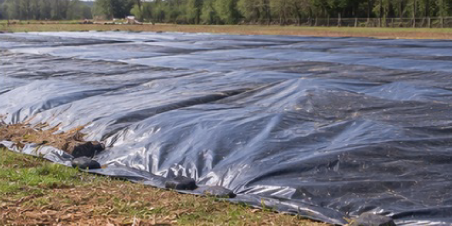
Tarping
Tarping uses heavy-duty silage tarps to suppress weeds, reduce pest pressure, and prepare planting areas without relying on herbicides or intensive tillage. Use these resources to learn how tarping works, when to apply it, and how to use silage tarps effectively in your growing operation.
Tarping | Tarping guide for Small Farms – University of Maine, New Hampshire, and Cornell | Sillage for Weed Management